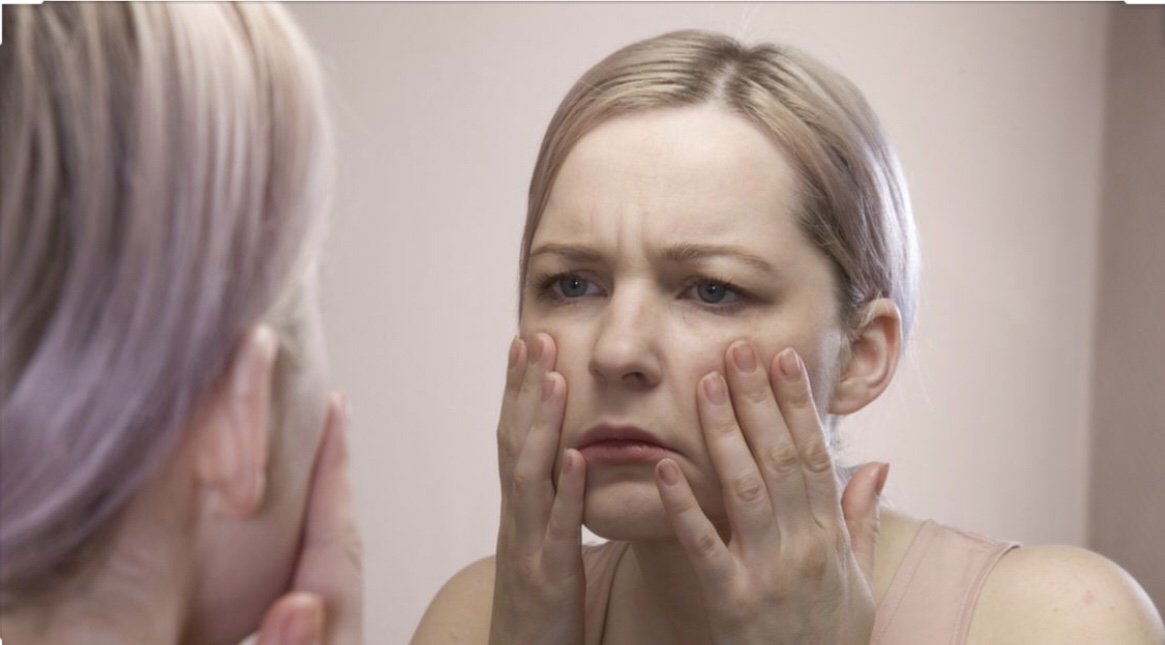
Growing up, Akosua would always watch her mum and dad give her younger sister much more attention than her. They would always take her to their workplaces to show her off. They did this because people always complimented her younger sister but never her anytime they would go out as a family. These compliments were always about her younger sister’s complexion; people would keep saying “beautiful obroni”. Akosua on the other hand was always ridiculed on how dark she was. People would laugh at her in school saying that she was so dark they couldn’t see her. People made jokes and called her ugly just because of her complexion. She developed insecurities about her complexion because of the constant ridiculing she got from society, but this became worse when she started working. She realized that all the fair girls had some advantage over her not because they were more talented, or more skilled, but simply because they were fair. They were being promoted, favored and were given special treatment over her. Her male colleagues would always ask these “fair” girls out to lunch excluding her. She became constantly obsessive over her complexion. She thought to herself that she wasn’t good enough because she didn’t meet societal standards of what a beautiful girl should look like. She was the only one concerned about this “flaw” of hers. She strongly believed she had a defect in her appearance which made her ugly. When people looked at her she would always think, “they are laughing at me ” or “they are saying I’m too dark”. She would always compare herself to her fair friends and always ask her boyfriend if he thought she was pretty enough. She would frequently look in the mirror and wear clothes to cover her whole body. She usually did make up to make her look fair. She finally decided to bleach her skin to appear more fair. She was so preoccupied with her appearance that, it started to cause major distress in her social life and work place.
Causes: abnormality in brain structure, neurochemistry, genetics, environmental factors (societal standards, culture, child abuse and neglect,) and negative body-image can play a significant role in this disorder.
Symptoms: people with this disorder are extremely preoccupied with a perceived flaw in appearance that to others can’t be seen or seem to appear minor. They believe strongly that they have a defect that makes them appear ugly. They believe that people notice these perceived “flaws” and are constantly attempting to hide them with makeup, clothes and cosmetic surgery, some avoid social situations as a whole. They constantly seek assurance from others. They are so concerned with their “flaws” that it starts to disrupt their daily functioning.
MentalMondays by Akwama

 MentalMondays by Akwama
very informative.
LikeLiked by 1 person